WILSON PRECISION TOOL USA
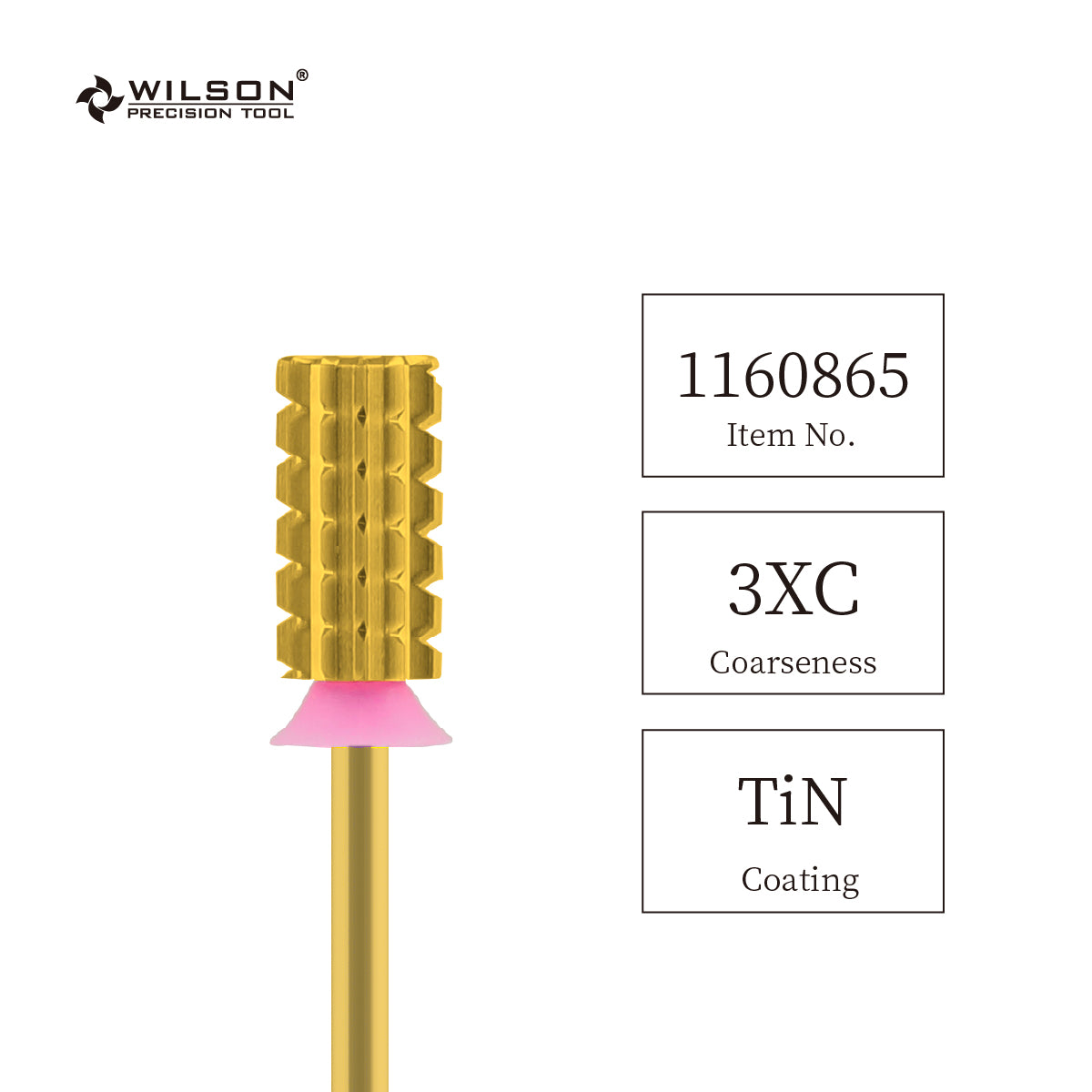
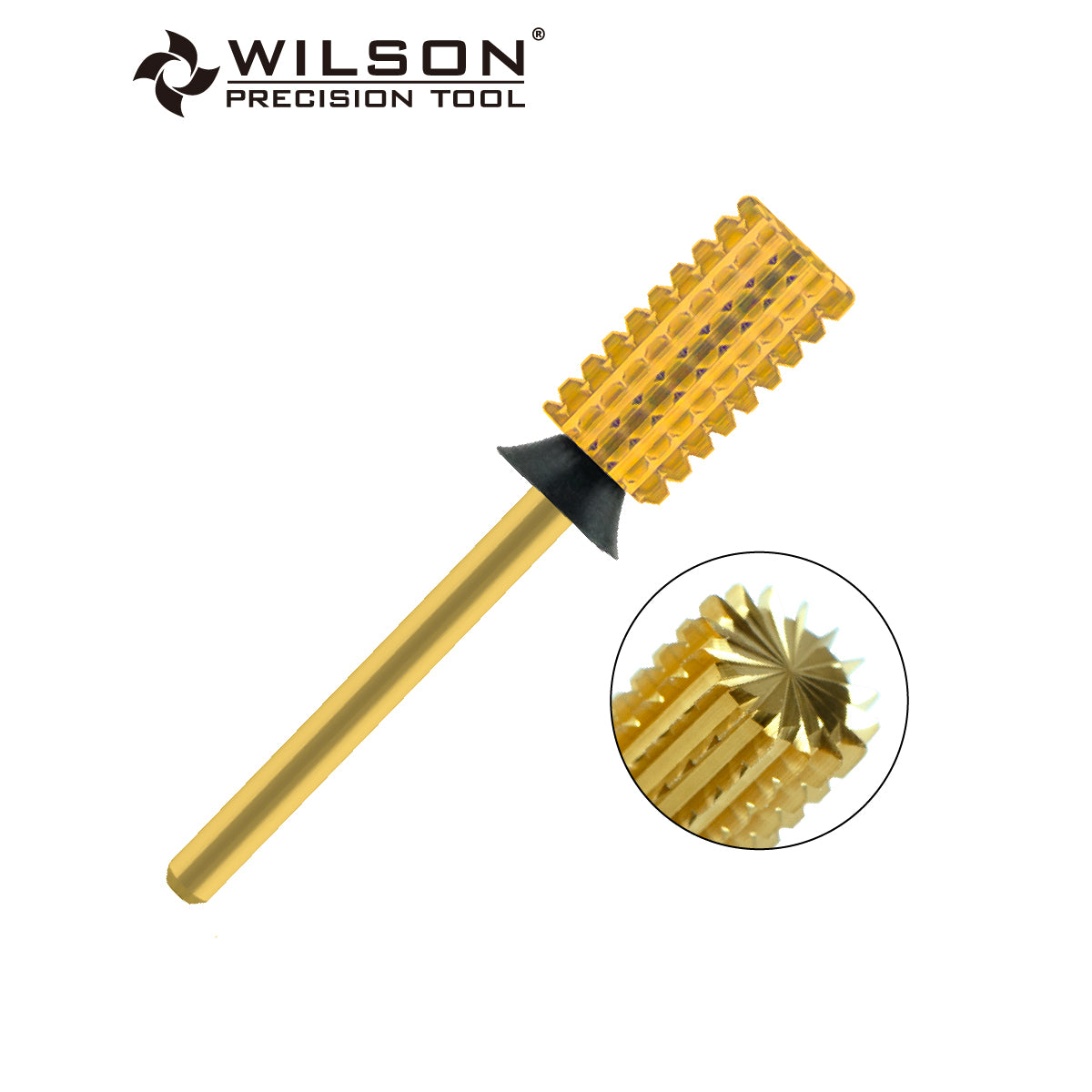
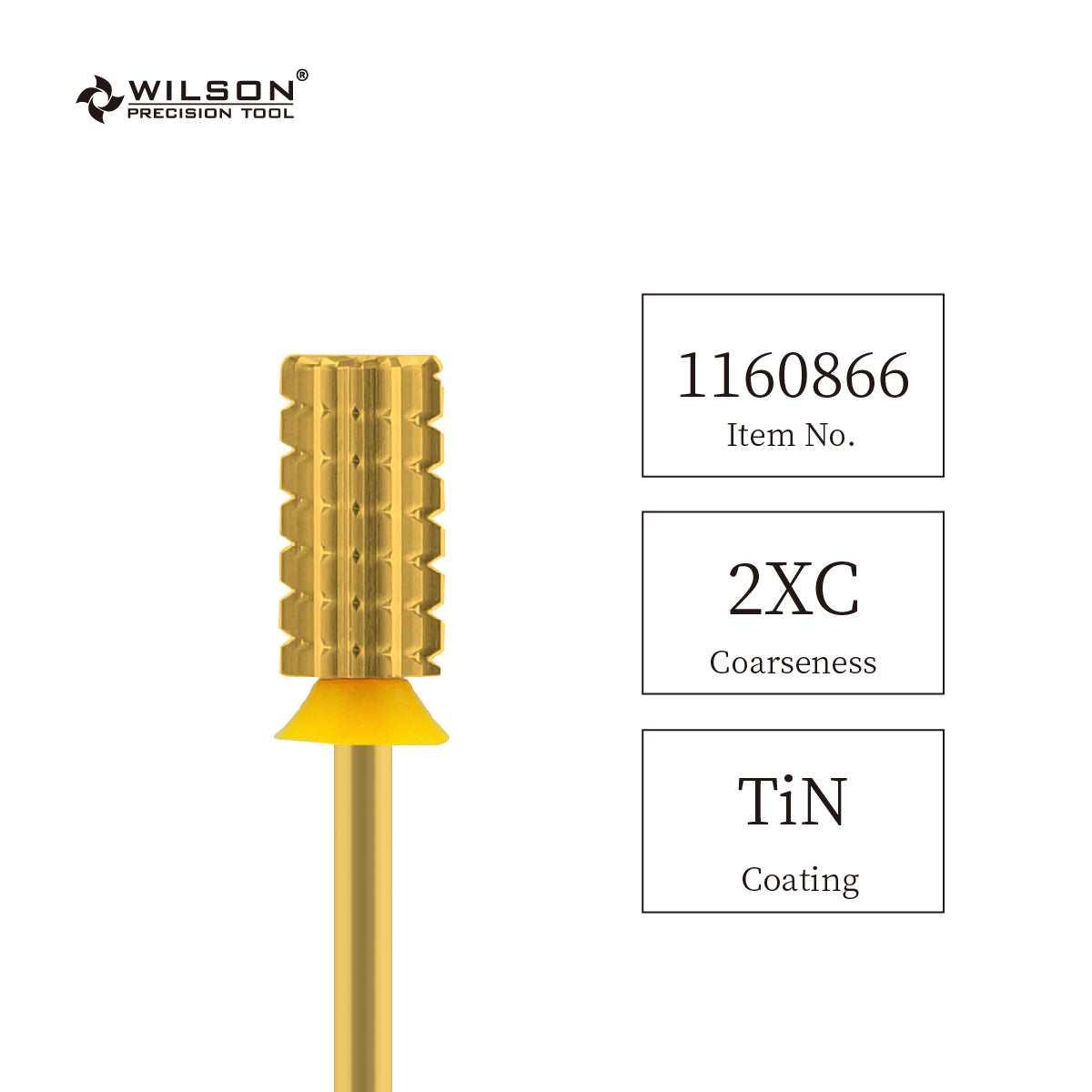
Wilson Precision Tool Carbide Nail Drill Bit - 3/32" (2.35mm) Shank, φ6.6mm 3 in 1 Bits - Straight Cut for Faster Gel Removal Reliable Nail Tools for Professional Nail Technicians
Wilson Precision Tool Carbide Nail Drill Bit - 3/32" (2.35mm) Shank, φ6.6mm 3 in 1 Bits - Straight Cut for Faster Gel Removal Reliable Nail Tools for Professional Nail Technicians
Couldn't load pickup availability
Frequently Bought Together

Wilson Precision Tool Carbide Nail Drill Bit - 3/32" (2.35mm) Shank, φ6.6mm 3 in 1 Bits - Straight Cut for Faster Gel Removal Reliable Nail Tools for Professional Nail Technicians

Wilson Precision Tool Natural Diamond & Tungsten Carbide - 3/32" (2.35mm) Shank, φ1.4mm Small Tapered Shape Natural Diamond Bits with Cooling-Groove for Lifting up the Cuticles High-quality Prepping Bits for Nail Enthusiasts

Wilson Precision Tool Stainless Steel Mandrel - 3/32" (2.35mm) Shank, φ6.6mm Sanding Band Mandrel-Crystal/Stainless Steel & φ6.6mm Sanding Bands(100PCS) for Natural Nail Buffing & Gel Removal Suitable for Nail DIY at Home
Applicable Uses
WILSON 3 in 1 nail bit is ideal for professional nail technicians and experienced users seeking a fast, efficient bit for bulk gel removal, shaping, and polishing on hard or soft artificial nails.
| Product Name | WILSON-φ6.6mm 3 in 1 Bits - Straight Cut |
|---|---|
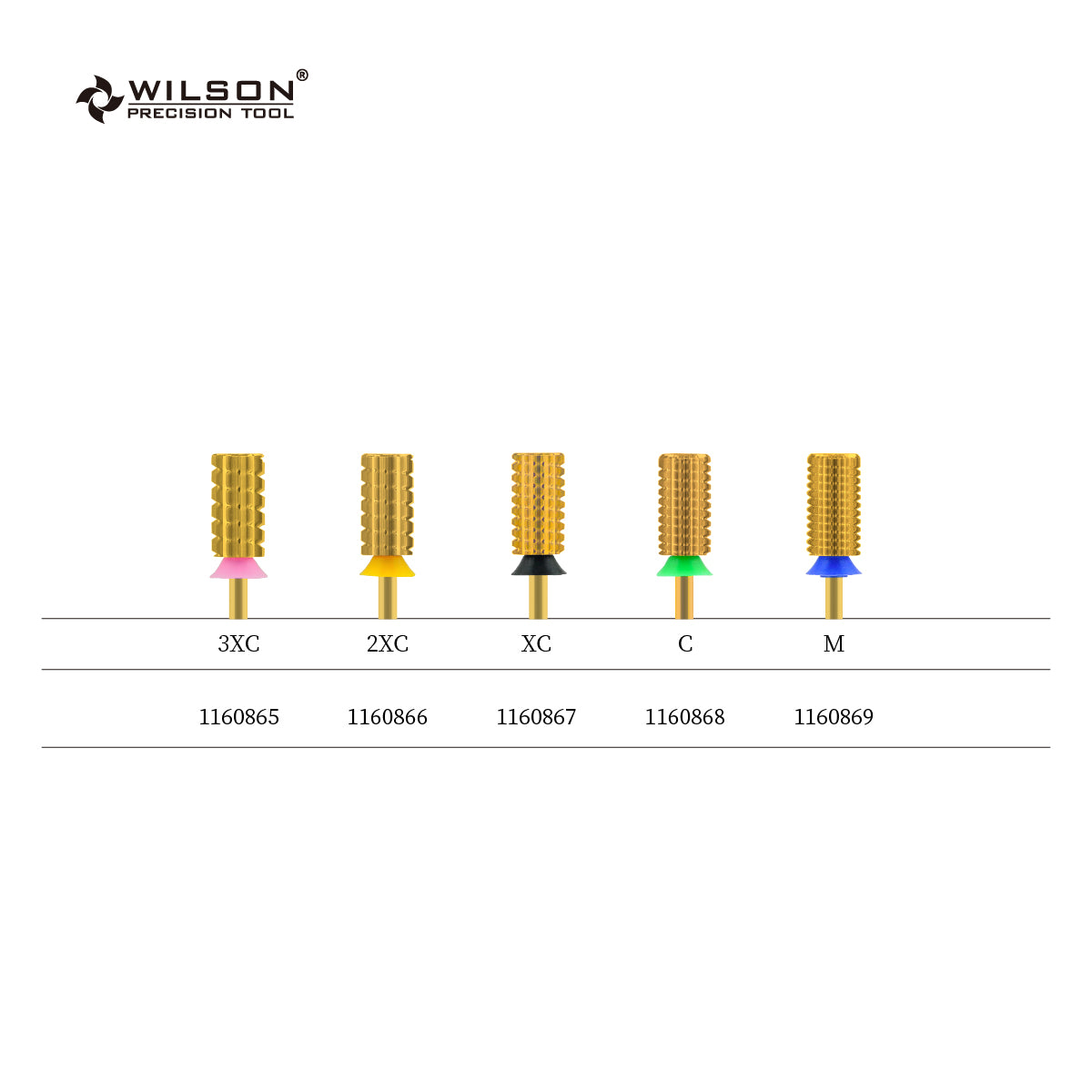
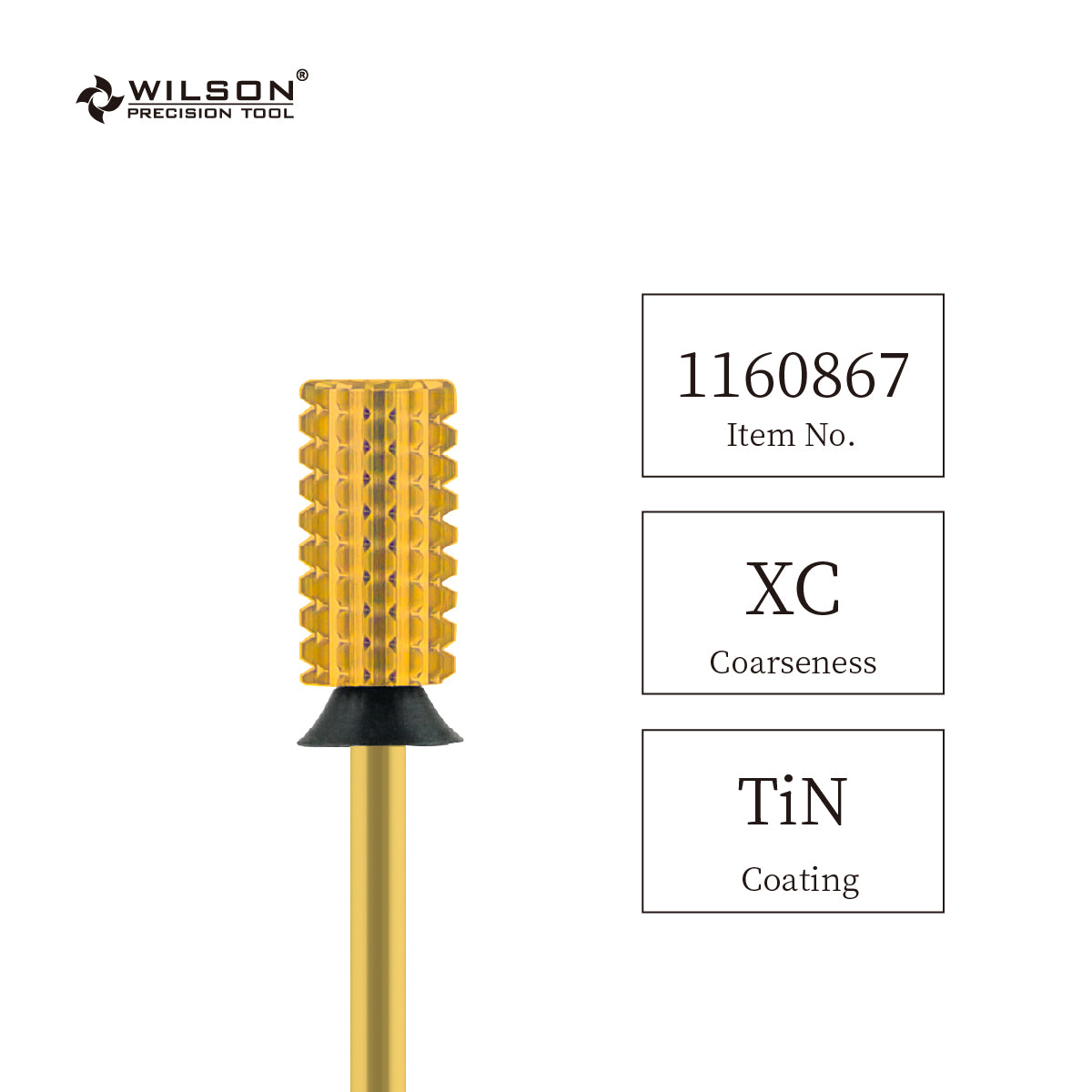
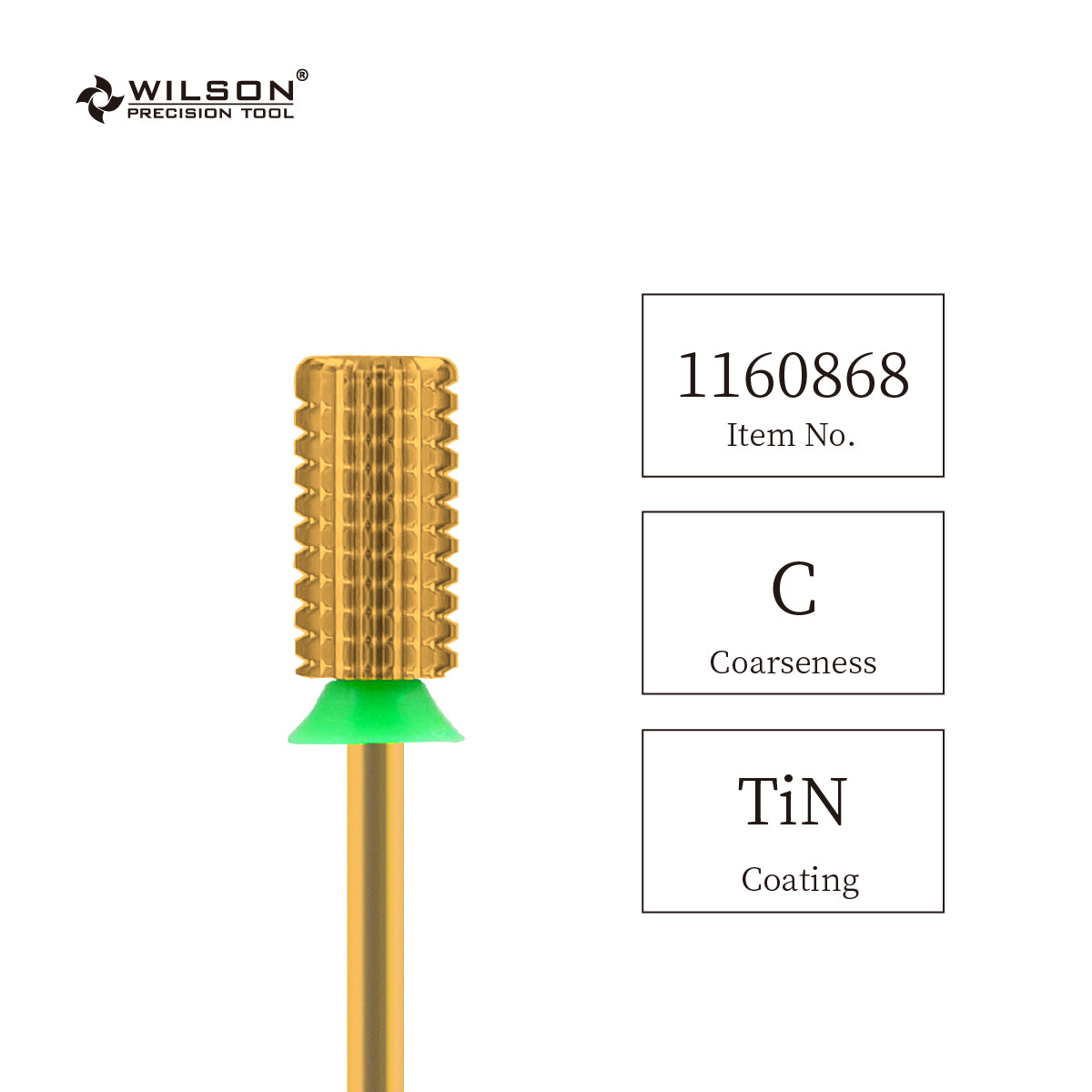
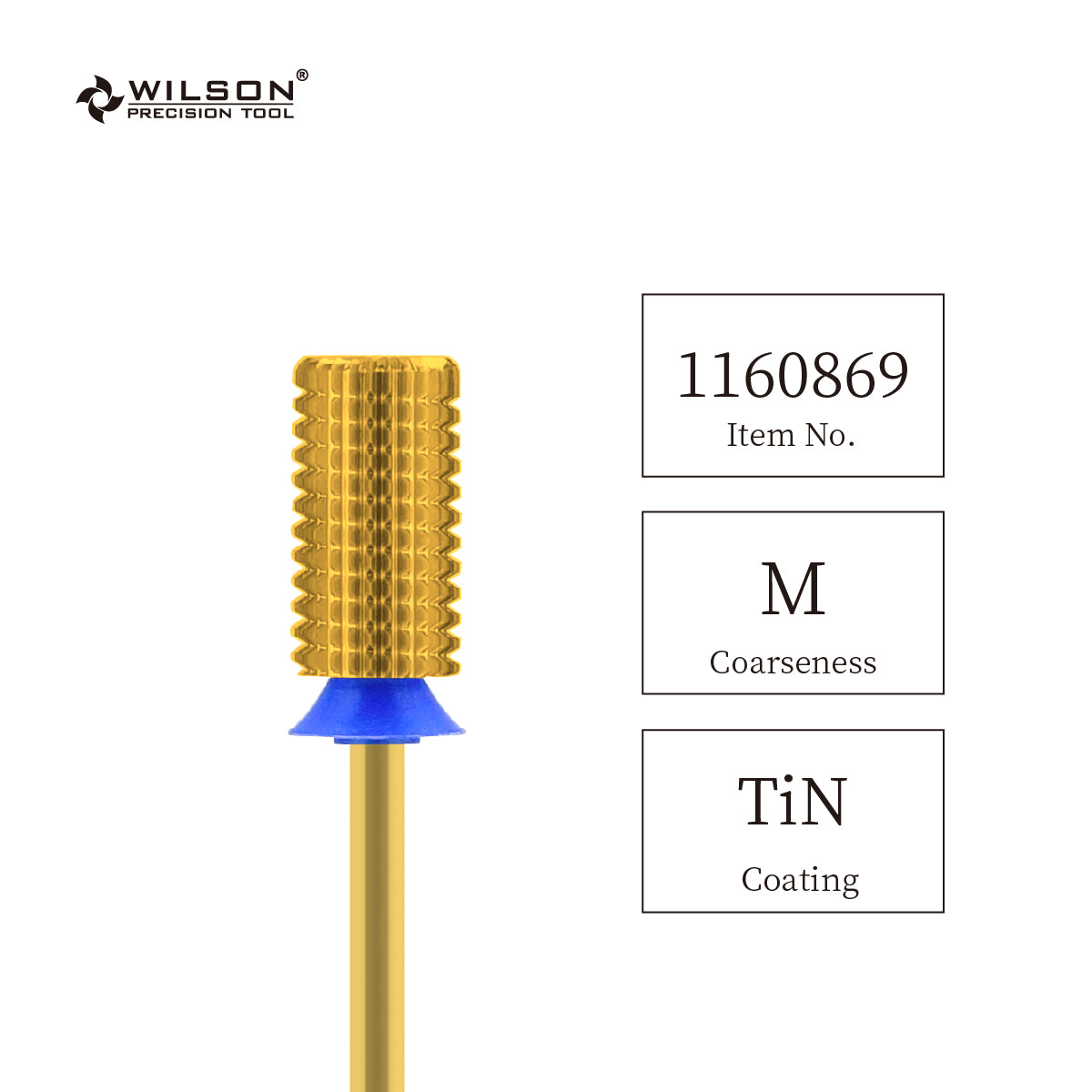
| Coarseness | 3XC / 2XC / XC / C / M |
| Material | Material: Tungsten Carbide/One-piece construction |
| Coating/Color | TiN coating |
| Working Part Diameter | 6.6mm |
| Working Part Length | 12.7mm |
| Shank Diameter | 2.35mm |
| Shank Length | 25.4mm |
| Overall Length | 38.1mm |
| Recommend Speed | 15,000rpm-20,000rpm / 10,000rpm-15,000rpm |
| Rotation Direction | Dual Rotation |
| Target Audience |
|
| Function | Removal, Shaping & Polishing |
| Note | To prevent breaking, the nail drill bits cannot be dropped. |
| Features |
|
| Frequently Asked Questions (FAQ) |
Q1: What speed is recommended for this bit? Q2: Which grit should I use for hard gel nails? Q3: Is this bit safe to use near the skin? Q4: Can left-handed technicians use this bit? Q5: How should I maintain this bit to prevent damage? |